In Conversation with Veronica Lillo
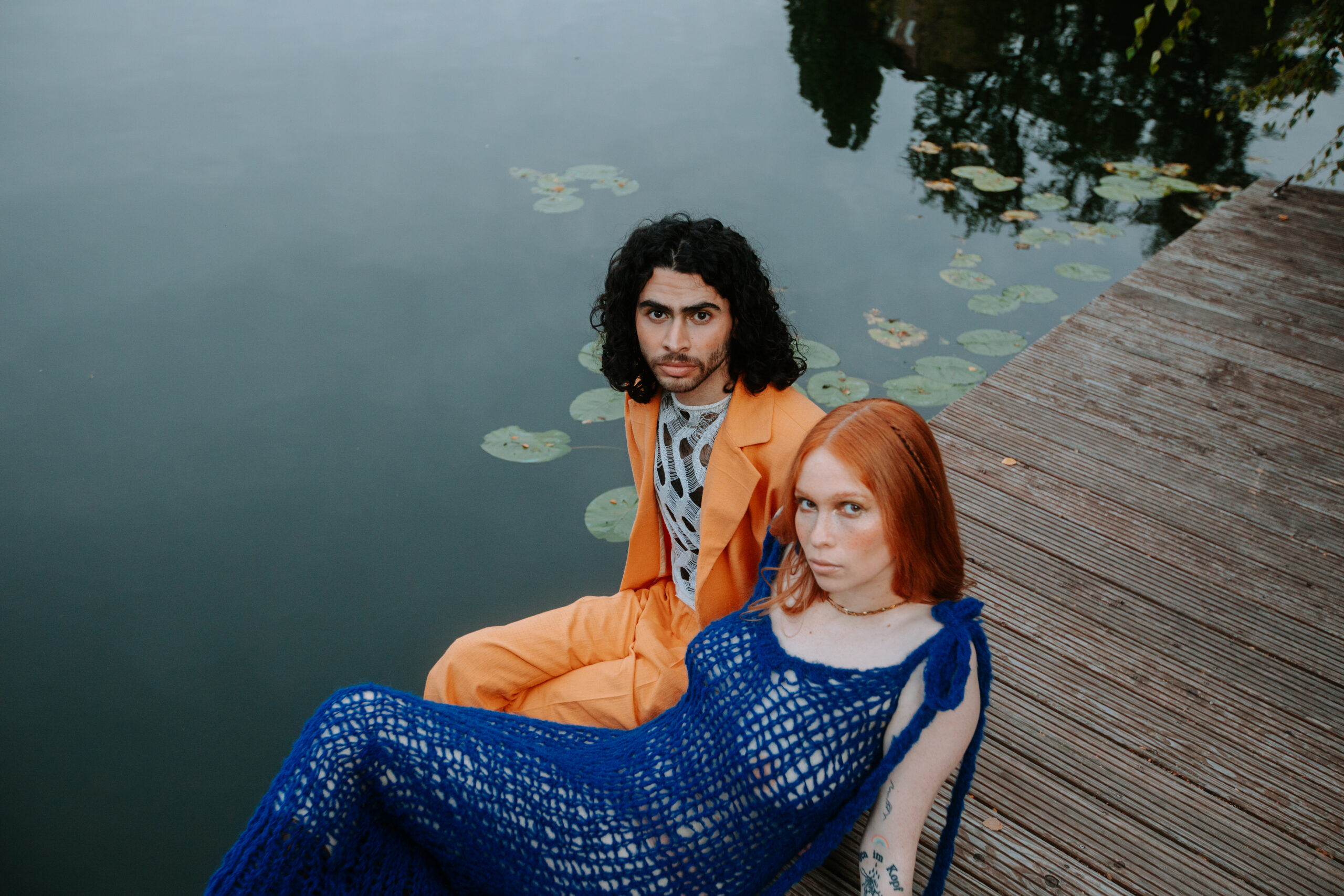
We sat down with Berlin-based Italian creative and movement director Veronica Lillo to talk about the body as a space of transformation, movement as an authorial language, and why she invites audiences to dissolve boundaries between performer and observer. Across performance, film, fashion, and music, Veronica shapes experiences where the body is never decoration, it is meaning itself.
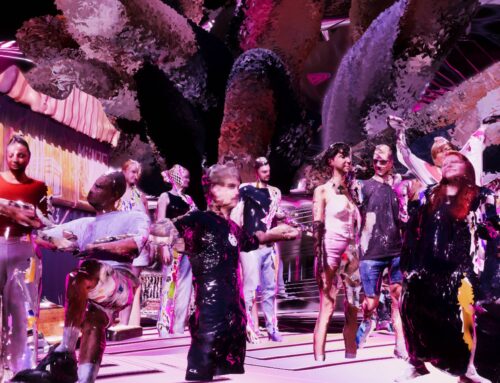
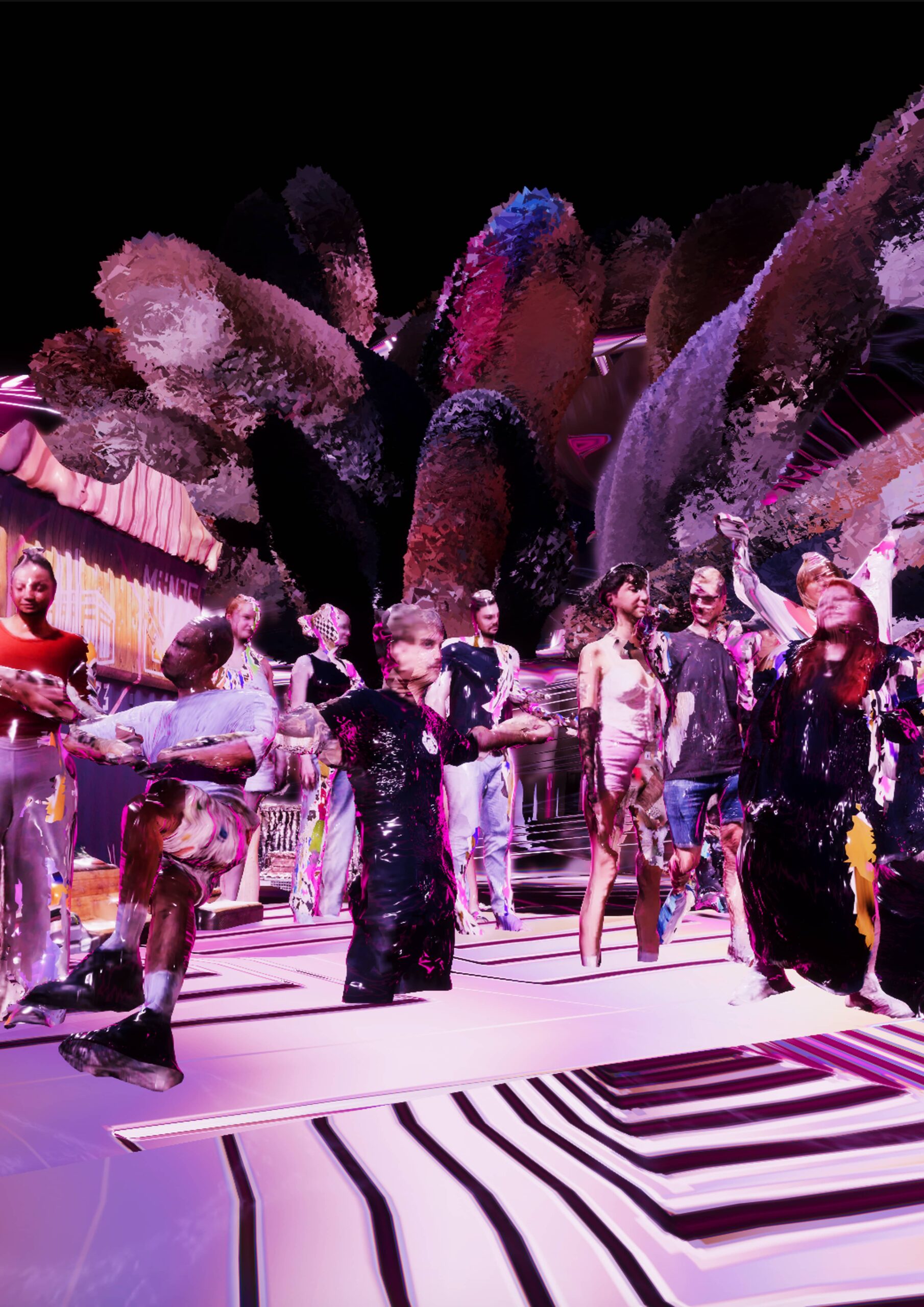
Her latest immersive project, ON METANOIA — Art of Transformation, converges movement, fashion, sound, light, and visuals into a shared space of becoming. Five dancers move as living garments, shifting from individual states into a collective constellation, while the audience is free to navigate the space, witnessing and participating in the unfolding transformation. The evening culminates in a DJ set and visual environment that invites everyone to move, connect, and celebrate the rhythm of shared experience.
Catch ON METANOIA on March 29, 19:30–23:30 in Berlin, where Veronica’s work challenges the way we inhabit, witness, and co-create performance.
In the upcoming project METANOIA — Art of Transformation, five dancers take on the role of “living garments.” Can you unpack the concept behind this idea and share how it shapes the audience’s perception of movement, identity, and the boundaries between performer and observer?
Veronica: Everything started by observing the way garments are made: the process of choosing textiles, stitching, cutting, layering and sewing. These elements give a history that we usually do not see, yet they are what allow the garment to breathe, to exist, and to move.
Through this observation I began to see my body as resembling a garment, tracing my own history through the “textiles” that made me — the cuts, the repairs, the stitching, the seams, the mending, the layers that shape who we are. Just like garments, our bodies carry traces of what we have lived.
The dancers embody this idea, becoming “living garments.” Through movement, they reveal how beauty and identity are constantly shaped and how our perception of them can always shift.
Audience participation plays a central role. How does witnessing transform into participation, and what do you hope attendees feel as they navigate the space?
V: The environment we create includes different elements that activate the audience’s senses. As they move through the space, they gradually and naturally find themselves becoming part of that environment — not as guests or witnesses, but as protagonists and participants. Their presence becomes part of the work, and witnessing slowly transforms into participation.
In your experience, how does the body function as a site of meaning rather than decoration in contemporary performance?
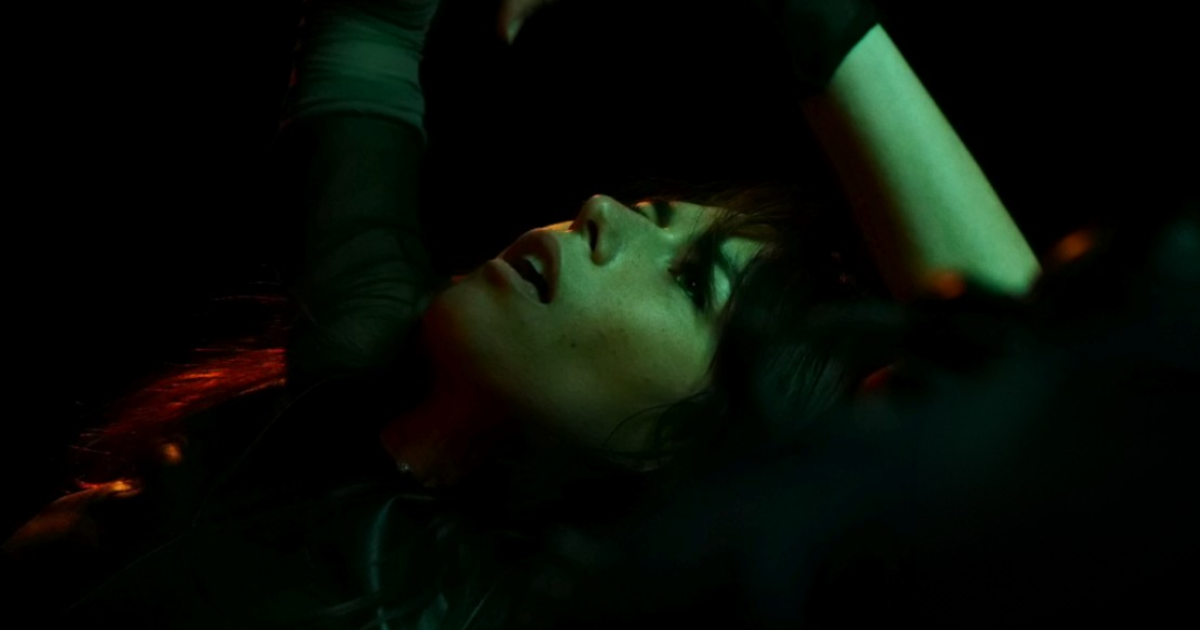
V: I always start from sensation, from body memory and from the experiences stored in the body, which I perceive as a living archive. What I do is create the circumstances that allow things to reveal themselves, tracing a path and letting what is stored in the body come to the surface. In this kind of work the body is not decorative or purely aesthetic — it becomes a carrier of meaning, and movement emerges from that place.
You describe movement as an authorial language. How does this philosophy inform your work as both a performer and a creative director?
V: Movement is at the core of existence. Even when we appear still, our bodies are constantly in motion through breath, heartbeat, and subtle internal rhythms. This constant motion is already a form of expression — it carries dynamics, accents, intensity, and weight. By reading and listening to it, I transform that movement into something intentional. It becomes a tool for composing and giving form to experience. Both as a performer and as a director, my role is to give space for it to emerge and speak in its own language.
For someone encountering your work for the first time, what would you want them to take away from the experience?
V: I would love for them to discover how beautiful, joyful, and powerful it feels to be a moving body.