Voices of Pride: ABUSUA by Zeini Ivy
Voices of Pride creates space for queer voices that refuse restriction, dilution, or apology. Through writing, art, and lived experience, LGBTIA* creators reclaim visibility, challenge inherited norms, and speak to the realities of identity, resistance, intimacy, and belonging.
✧・゚:⋆。°✩・:*。˚
ABUSUA
What We Keep
Nobody tells you that love in Ghana is mostly logistics.
Who’s driving, Who’s lying to their mother tonight. Whose name you save under a fake contact.
Which parties are safe to hold someone’s hand at and which ones you keep your hands in your
pockets and pretend you came alone, even when you didn’t, even when the person you came
with is standing three feet away and you can feel them.
You learn a whole second language here. Not Twi. Not Ga. Something older than both. The
language of I see you. You learn to talk In glances. In Uber rides home where your friend
squeezes your knee for just a second before getting out because we cannot kiss.
You become fluent without ever being taught. You just……know. The way you always know
here, survival has made poets out of us all
That’s the first thing the chosen family teaches you.
Recognition.
I used to think chosen family was just a beautiful thing. And it is. But it’s also before it’s beautiful
,necessary.I think about my chosen family a lot.
How strange, human and holy it is that people who did not raise you can become the ones who
keep you alive.
There are parts of you that can’t survive certain dinner table conversations. Certain Sunday
mornings. Certain silences that stretch too long when you say the wrong name in the wrong
tone. And so you find people, or they find you, and it happens quietly at first , The girl who
sends you “text me when you get home” after every night out.
The roommate who leaves food outside your door because you have not emerged all day.
The ex-lover who still checks if you are drinking water during a depressive episode.
The community organizer who introduces you to a room full of queer people and suddenly the
world expands.
The GAYS who share lipstick, cigarettes, Uber fares, strategy, rage, soft playlists, and exit
plans. One day you look up and realise: these people are my proof that I exist. That I existed on
the days I wasn’t sure I wanted to.
That’s not a replacement for blood. That’s something else entirely. Something that doesn’t have
a word in English but in twi “MA BUSUA” “WAKU” in ga.
There are nights in Accra where the music is loud enough to drown out the law for a few hours.
Nights where queer souls dance with their whole bodies like the government is not watching like
we are not criminals. Nights where somebody’s partner is arguing over aux cord privileges and
someone else is curled up asleep on a couch while the rest of us debate feminism and whether
love should feel peaceful or consuming like it did with an ex. Those nights feel revolutionary in
ways people outside of here may never understand.
I’ve cried in this city more than I’ve cried anywhere else. I’ve also laughed harder here than I
thought my body was capable of. Both things are true and I’ve stopped trying to reconcile
them.I’m still learning how to just be here.
Not perform being here. Just be. Present. Unguarded. Without the mental background process
running, calculating risk, translating myself into something more digestible.
Some days I manage it for an hour. The music is right, the light is the particular gold it gets in
the late afternoon, someone is laughing at something stupid across the room and I think: this is
it. This is the life. Not in spite of everything but alongside it.
That feels like the most radical version of living I know how to do.
Loss here is strange because, who do I tell.
Not just losing people ,though that too, and that too is its own country but losing possibility. The
future you were building in private. The apartment you almost rented together. The country you
joked about running away to, the joke that wasn’t really a joke. Sometimes a friendship ends
and it feels like a death no one will attend the funeral for. Seated at kitchen tables eating
kelewele at midnight while somebody cries over a breakup and somebody else rolls their eyes
and says, “you will survive this too.”
And usually, they are right.
How do you grieve something the world won’t name? How do you explain that a situationship
held the weight of a homeland?
You explain it to your chosen family, that’s how Or you don’t explain it at all. They just know.
That’s the whole point.
I think being alive as a queer person in Ghana requires a specific kind of faith. Not necessarily
faith in institutions or governments or even the future. But faith in each other. Faith that
somewhere in this city there is another person looking around a crowded room hoping to find
people like them. Faith that we can still exist under this pressure. Faith that we deserve to live
the lives we dream off and repost.
Maybe chosen family is just that:
a group of people agreeing, over and over again, to keep one another alive long enough to
experience joy.
✧・゚:⋆。°✩・:*。˚
About the Author
Boahmeaa [she|they] is a Ghanaian-Lebanese writer, and creative writer whose work explores queer identity, belonging, feminism, immigration, and life. Drawing from her experiences in living , her writing centers Black queer womanhood, chosen family, memory, and resistance. She is also involved in youth-led initiatives focused on inclusion, storytelling, and creating safer spaces for queer communities.
✧・゚:⋆。°✩・:*。˚
Photography
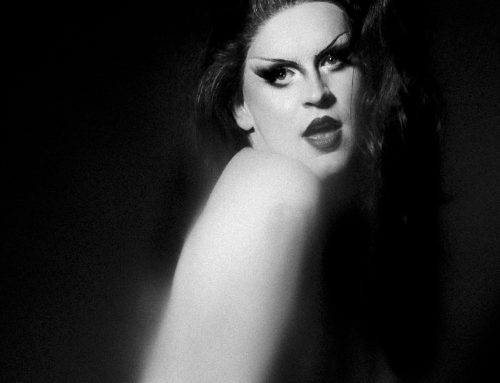
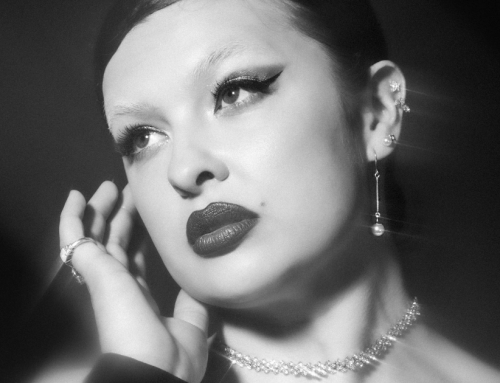
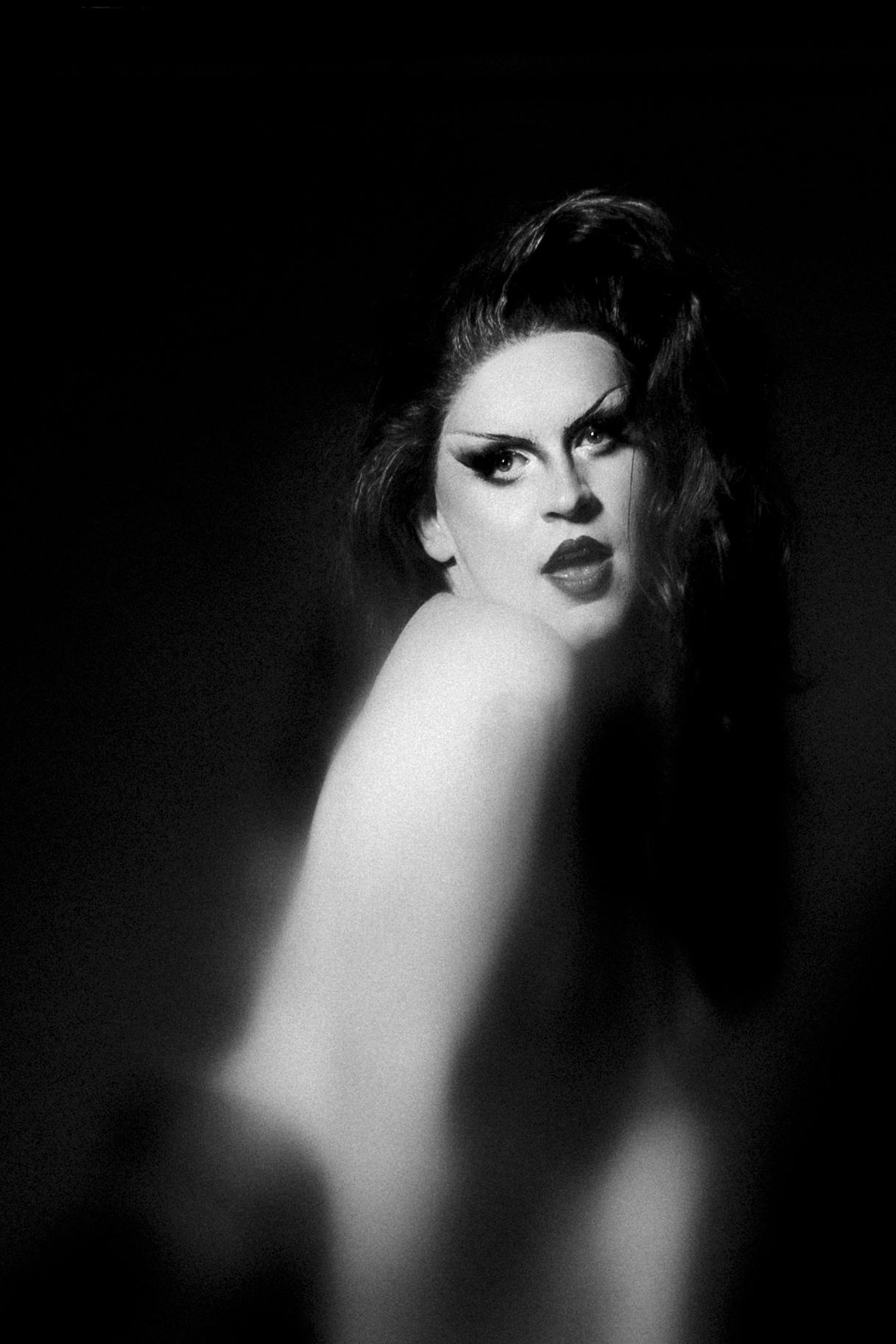
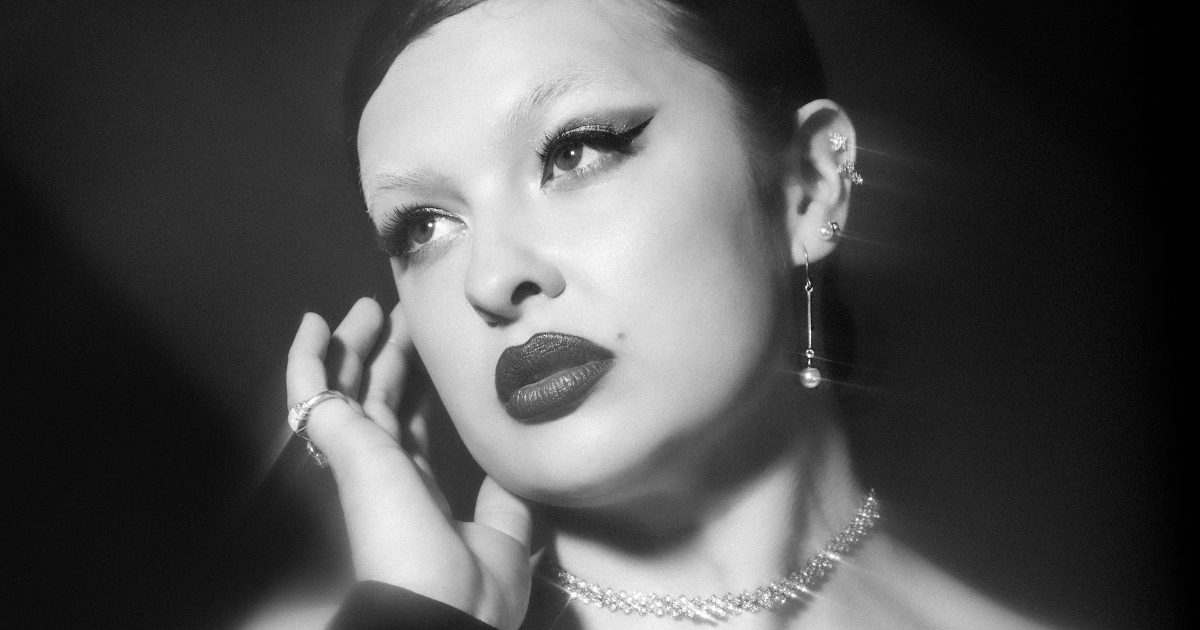
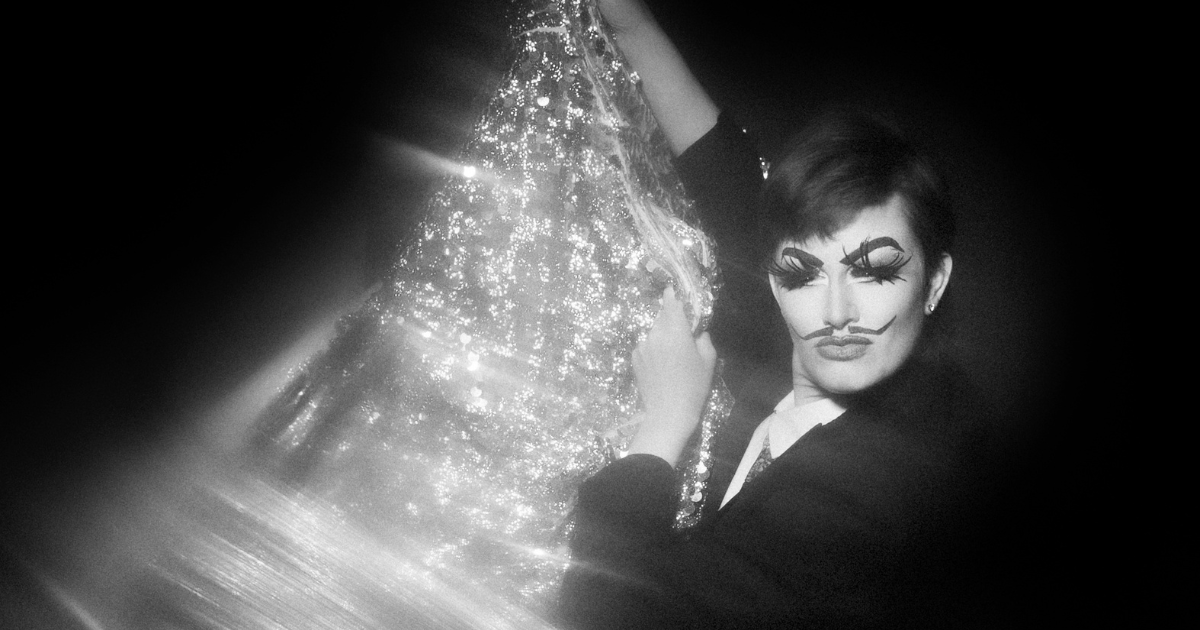
The Voices of Pride campaign features work by Elizaveta Bogachavo, drawn from the project Ephemeral Reveries through the Alchemy of Queerness. You can read more about Elizaveta and the project here.
Instagram: @lisa.bogachova
Website: www.elizavetabogachova.me
Model: James Bonk
Instagram: @bonk.jamesbonk