Collaboration as Curation: The Story behind revers:avers
We sat down with the co:evolve collective, the team behind revers:avers, to talk about the series‘ origins, its curatorial instincts, and what it’s trying to build in Berlin’s experimental scene.
There’s a certain logic to naming an event series after a coin. A coin has two sides, distinct, yet inseparable, always part of the same object. For revers:avers, the experimental performance series hosted at Alte Münze, that duality was never just a branding exercise. It was a philosophy, and one that has quietly evolved since the series began.
The name itself was born from the venue. „Alte Münze“ means „old coin“ in German, and the original concept, developed together with Nicole Kaßberger (CEO of Alte Münze) and the venue’s in-house graphic designer, was to stage two events per year under opposite banners: REVERS and AVERS, each with its own distinct theme and atmosphere. Two poles. Two moods. Two sides of the same space.
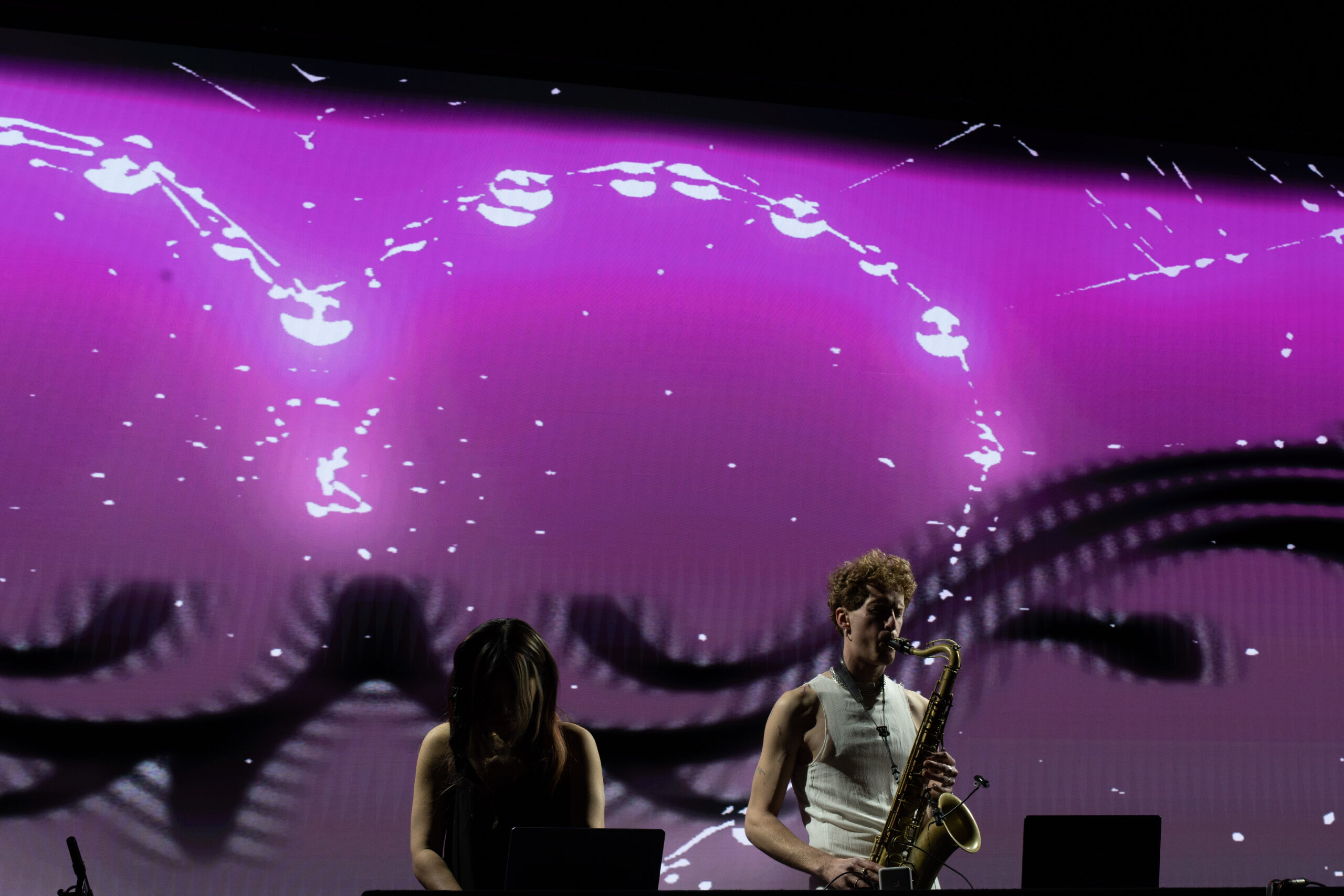
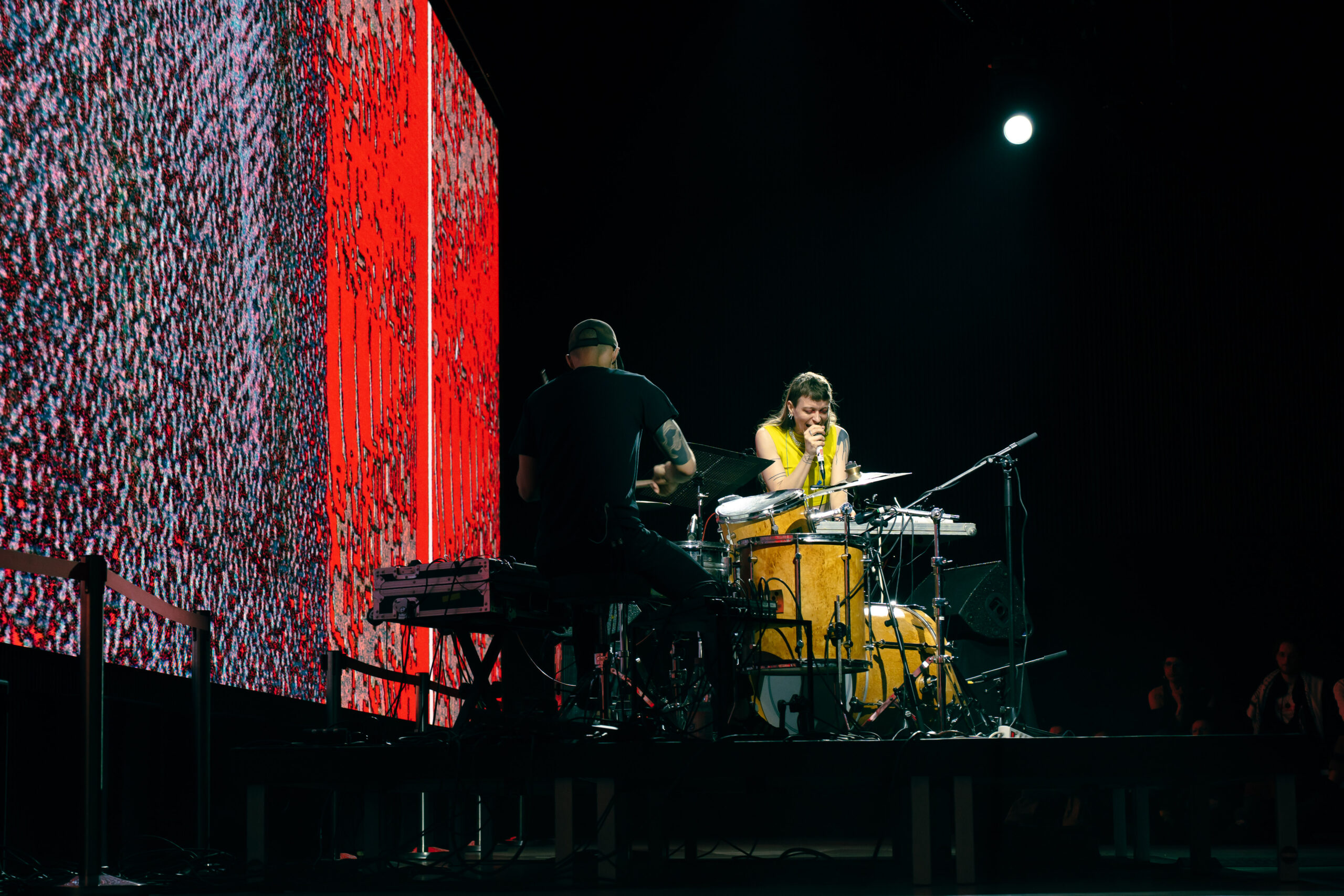
But something shifted in practice. Over time, the cleaner idea gave way to a messier, richer one. Rather than keeping the poles apart, the curatorial team found it more compelling to let them bleed into each other. „We have slowly started to merge these two poles together,“ co:evolve collective explains. „We have found it more interesting to combine multiple different styles and performance types together for each event. This allows for more interesting events leaning toward variety and not a singularity.“
A Platform Without Hierarchy
revers:avers didn’t emerge from a gap in Berlin’s nightlife calendar so much as from a frustration with its invisible structures. The city has no shortage of experimental events, but the scale, the production quality, and perhaps most importantly the sense of access are harder to come by.
„revers:avers was started out of a need to host new as well as established experimental artists across multiple disciplines on a large production scale in Berlin,“ the collective states plainly. „We want to challenge the idea of the artistic hierarchy and put all artists together on the same stage.“
That democratic impulse runs through nearly every decision the team makes. The lineup isn’t built around headliners and openers in any traditional sense. A debut artist might share a stage with someone far more established, and that proximity is the point. „Having this mix of talent allows for the artists to learn from each other and build connections that might lead to something beneficial for everyone in the future.“
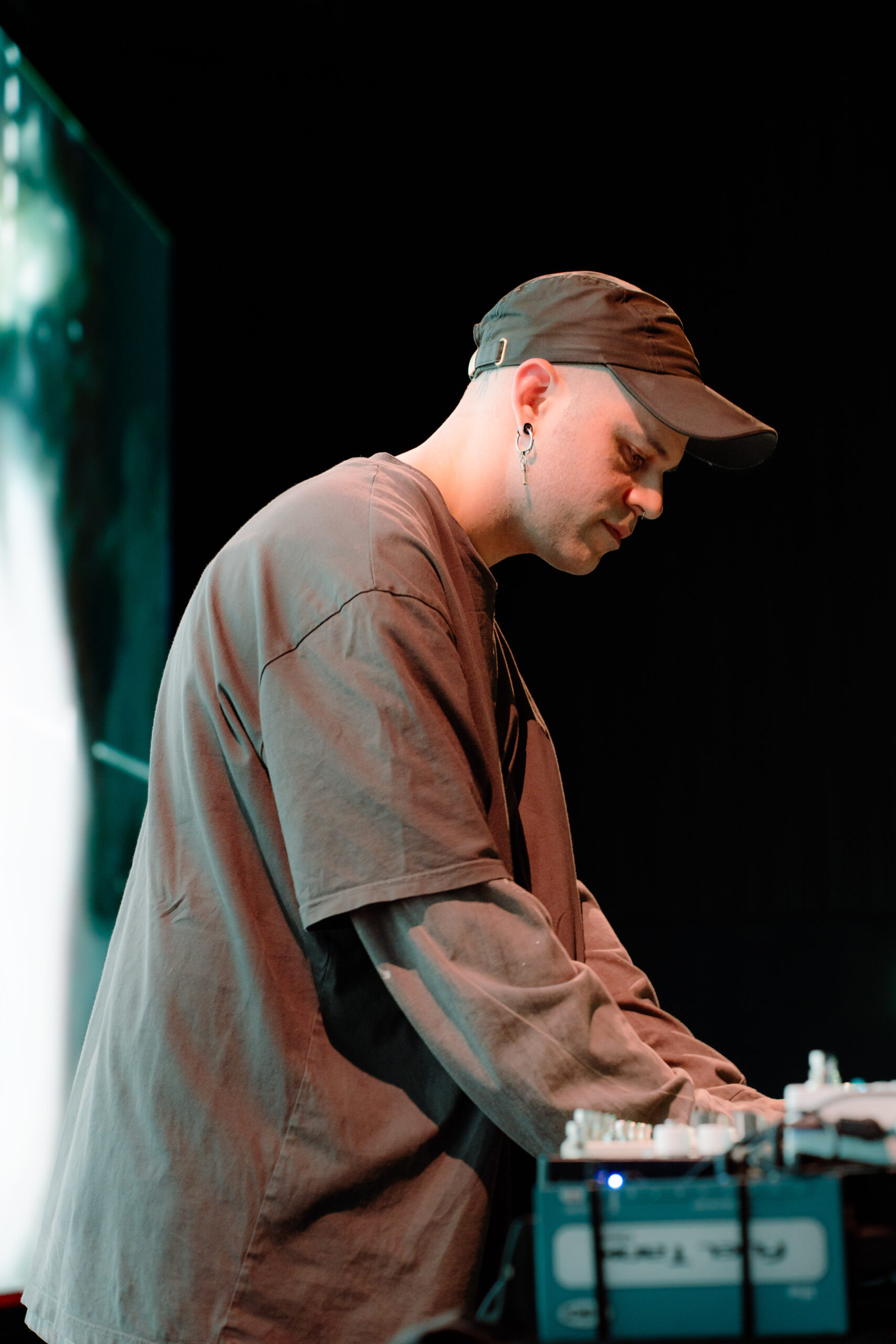
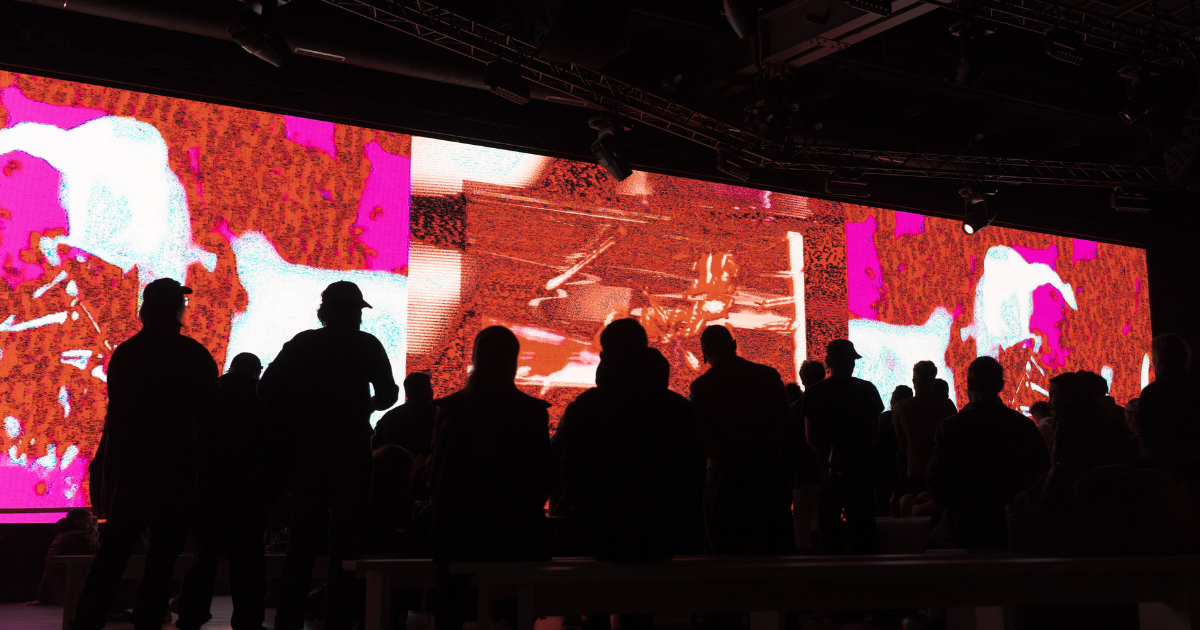
Connor Oman „won’t forget how inspired he was the first time he was able to put my art on the massive LED wall in Alte Münze.„
The Curatorial Instinct
The process of building a lineup doesn’t follow a formula. It tends to begin with one or two artists and expand outward from there, part instinct, part conversation, part the particular luck of being embedded in Berlin’s creative community. They are fortunate enough to also call many amazing artists in Berlin their friends, so it also makes the job easy.
There’s a distinct aesthetic gravity at the center of it all: darker, industrial, experimental. Connor states that he „has just always been attracted and drawn to these aesthetics.“ But the team is self-aware enough to know that a single curatorial sensibility, left unchecked, can narrow rather than deepen a program. „This is where it is important to involve a team in the curational process. To make sure that lineups don’t just stick to one color.“
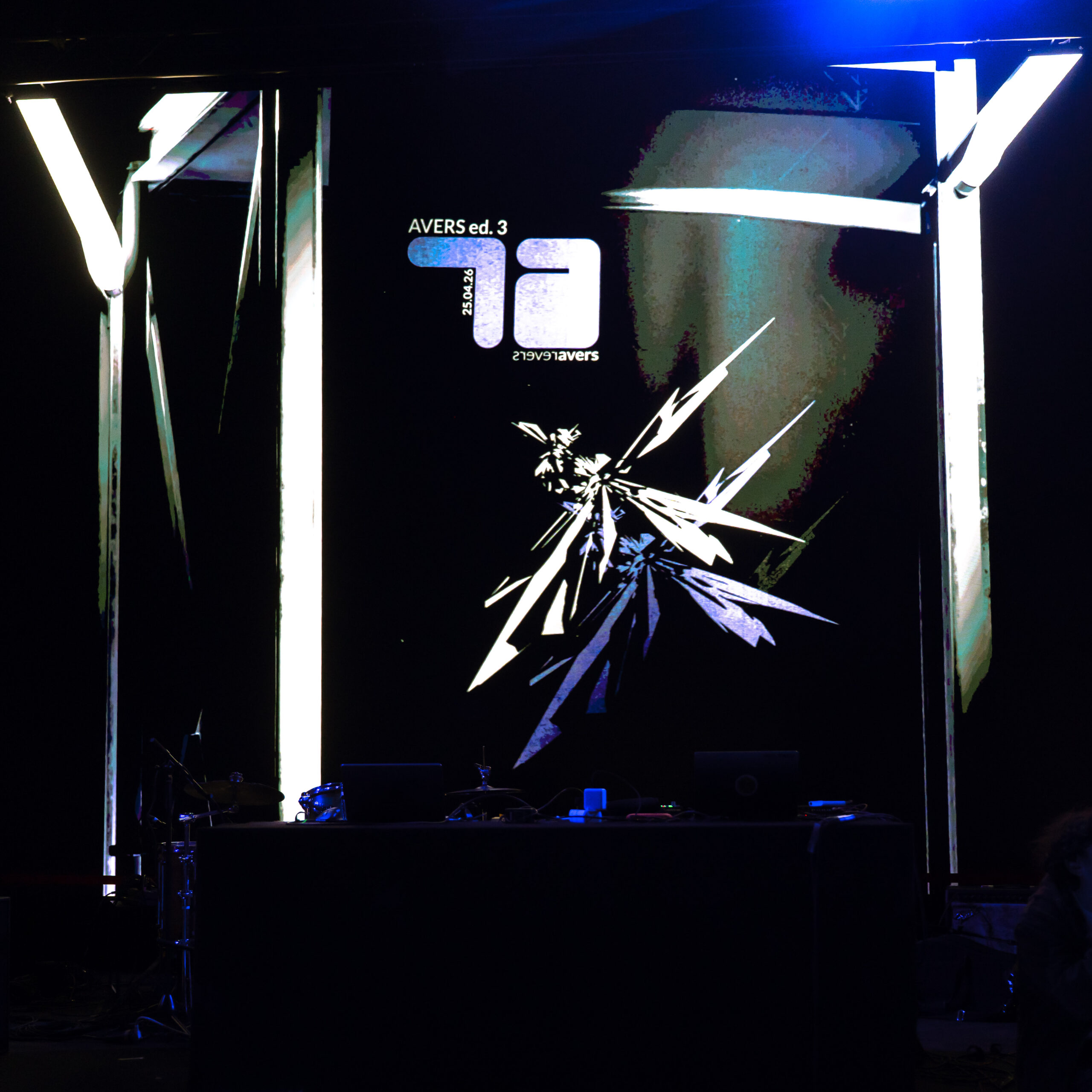
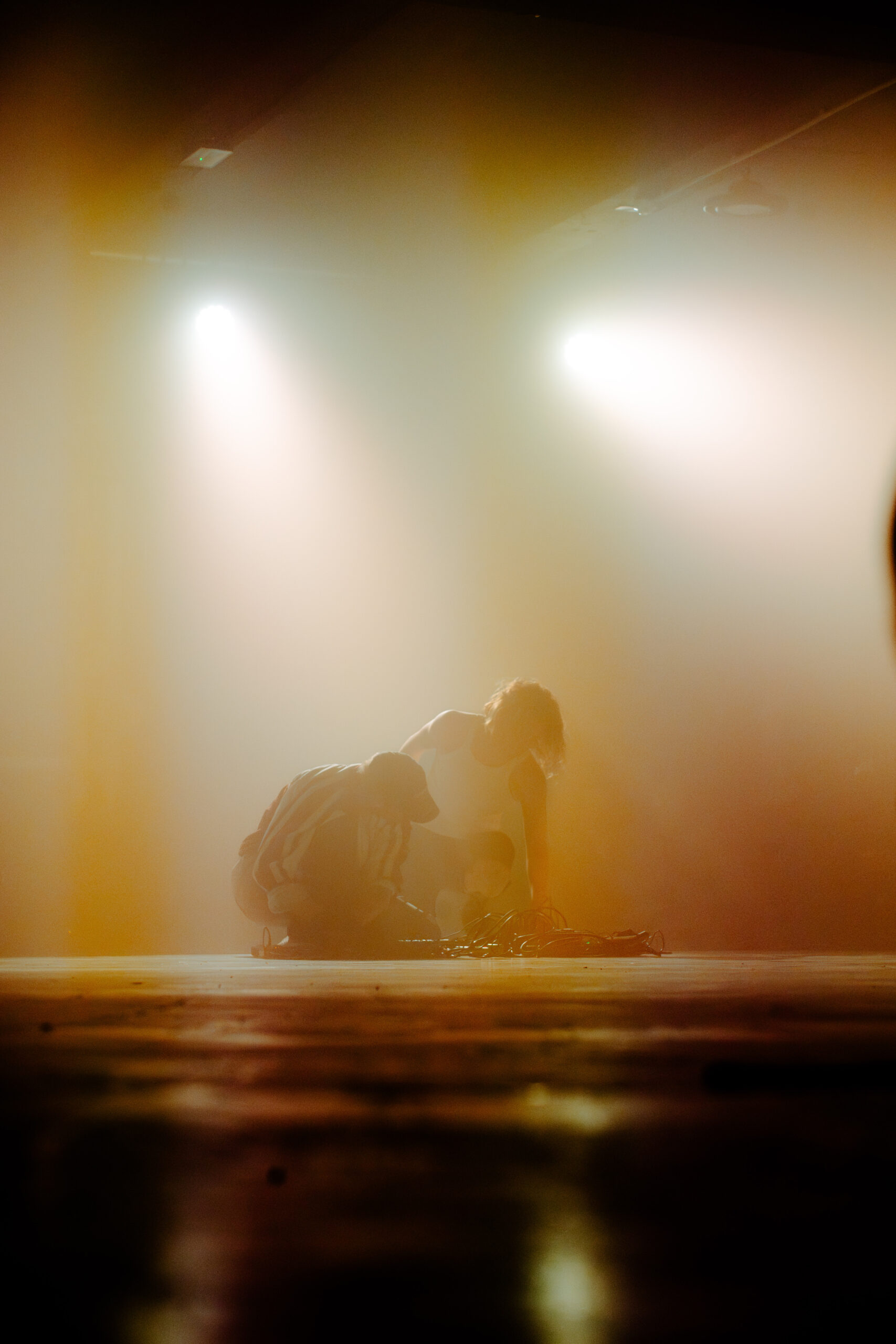
The third edition of AVERS demonstrated what that collaborative model can produce. Curated by co:evolve collective as a team, the event was built around PEB, a group whose harsh, industrial, experimental sound became the structural spine of the whole lineup.
Beyond sound, what draws the team to artists is something harder to quantify: openness, a willingness to collaborate, a mutual understanding of what the space can be. „We are most inspired when we feel the willingness to collaborate is mutual.“
An Atmosphere of Shared Evolution
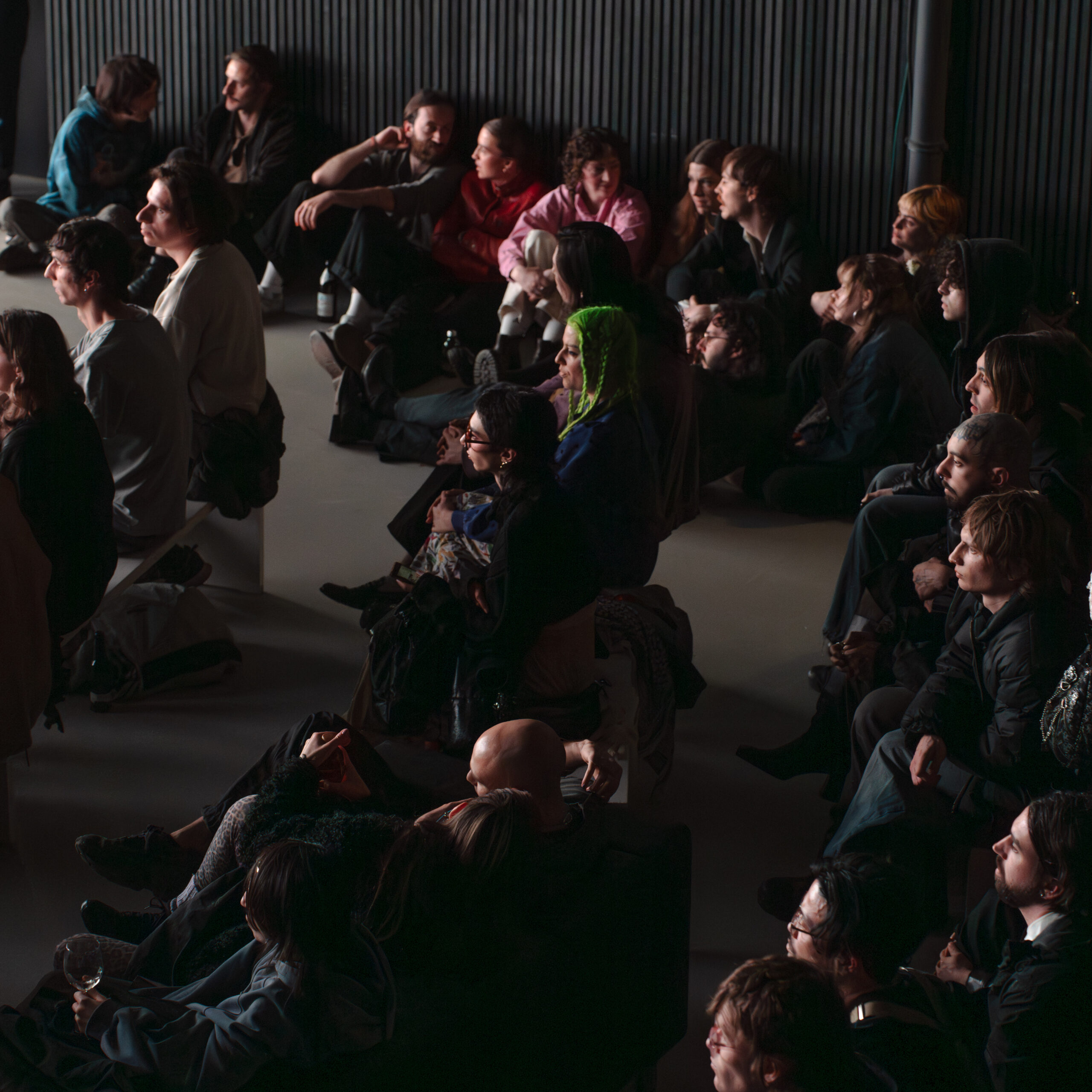
If there’s a single word that recurs across how revers:avers describes itself, it’s collaboration. Not as a buzzword, but as an actual condition the events are designed to create, between artists on stage, between audiences and performers, between people who might not otherwise find themselves in the same room.
„Like our collective, we want to build an atmosphere of collaboration, growth, and shared creative evolution. We want revers:avers to be a place for people to connect and feel an experience.“
That ambition extends beyond the performances themselves. The team envisions revers:avers growing into something more porous, workshops, meetups, formats where skills and experiences can be exchanged outside of the concert context. The evening event is the anchor, but the community around it is the real project.
What won’t change, even as the series grows, is that underlying commitment to the room: to making it a place where artists at different stages of their careers stand on the same stage, where the experience is genuinely felt rather than passively consumed, and where Berlin’s experimental scene finds one more reason to gather.
Two sides of a coin. Merged, now, into something harder to categorize and more interesting for it.